
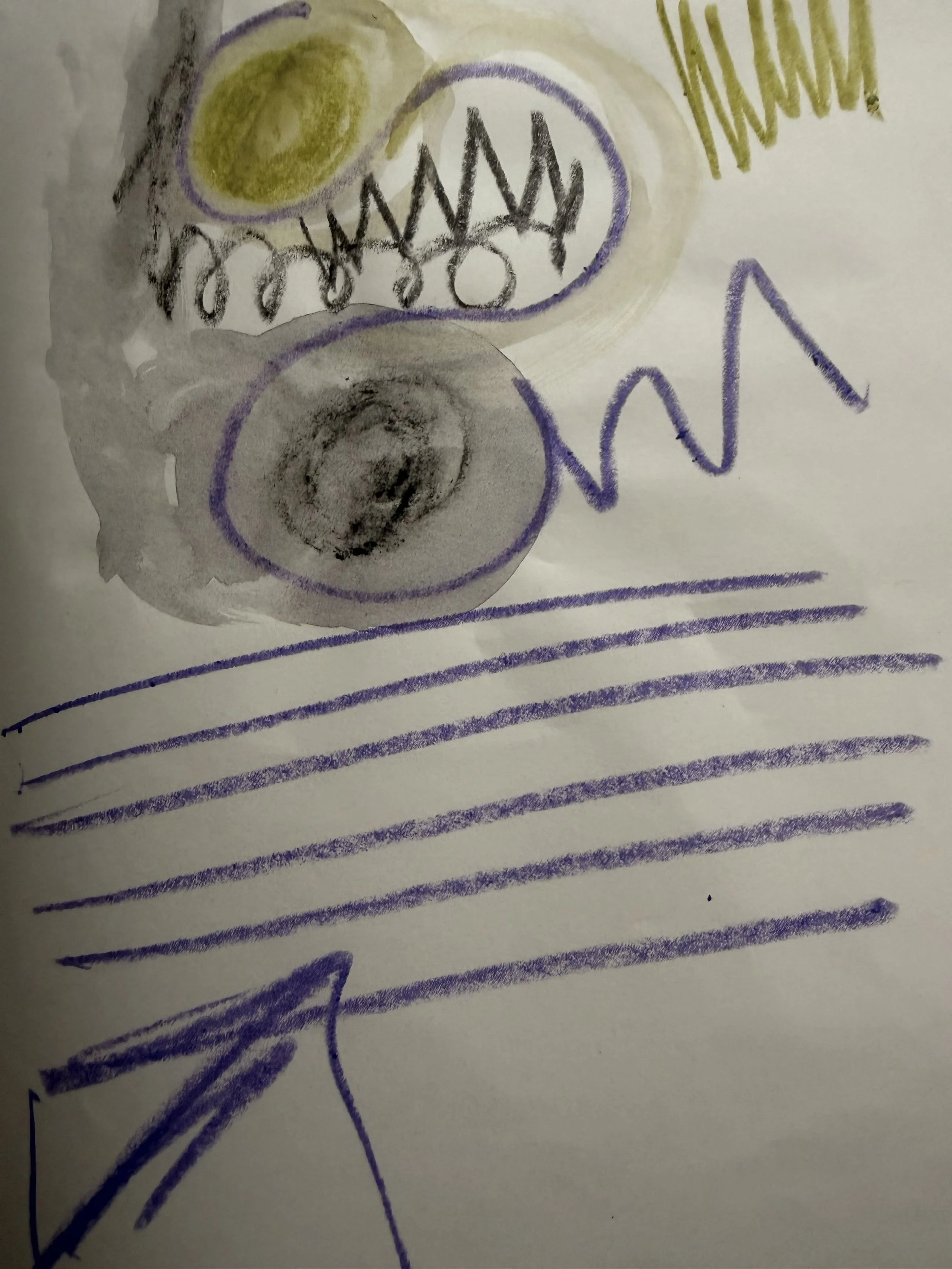
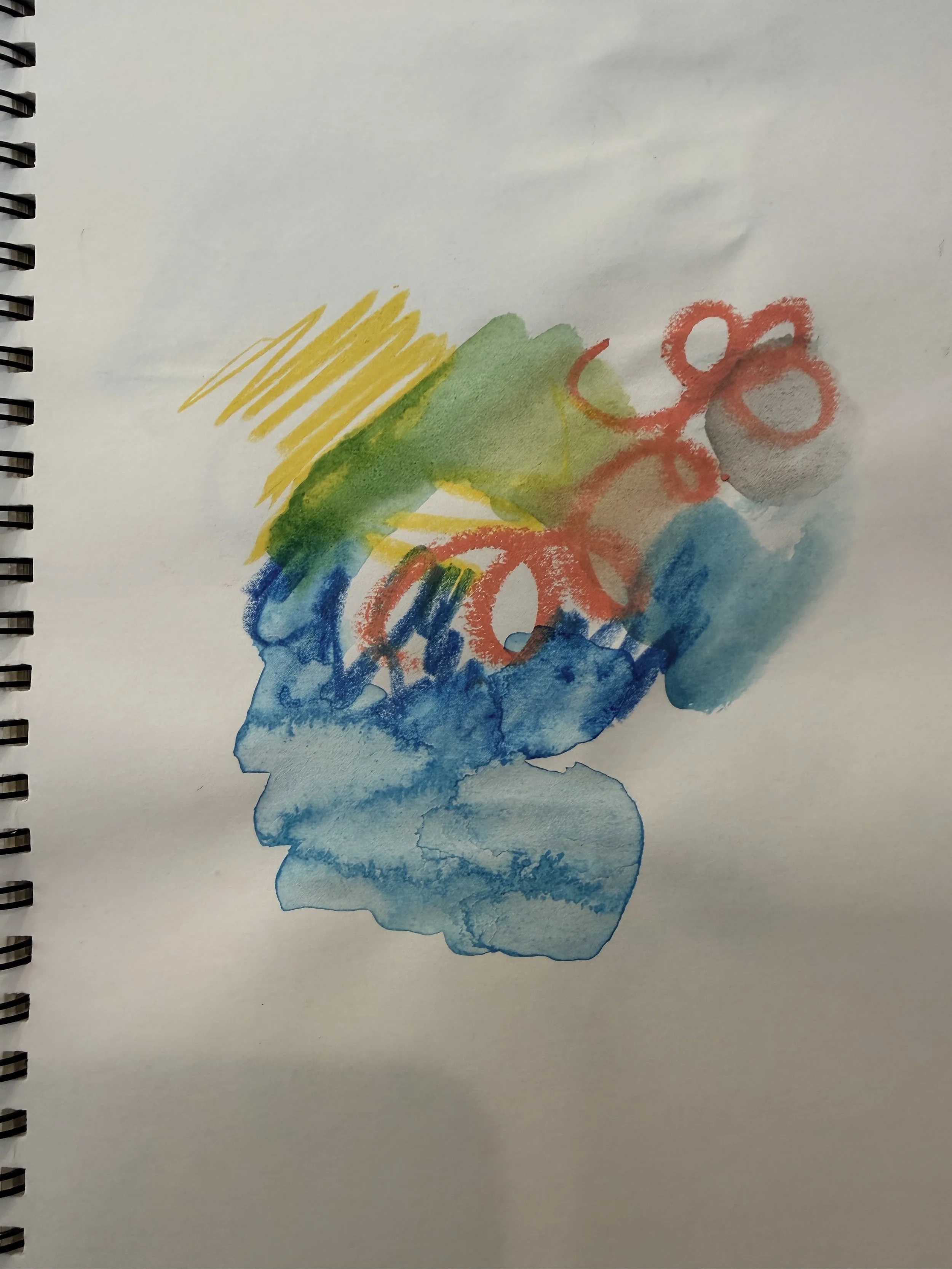
The research behind Possibility Books
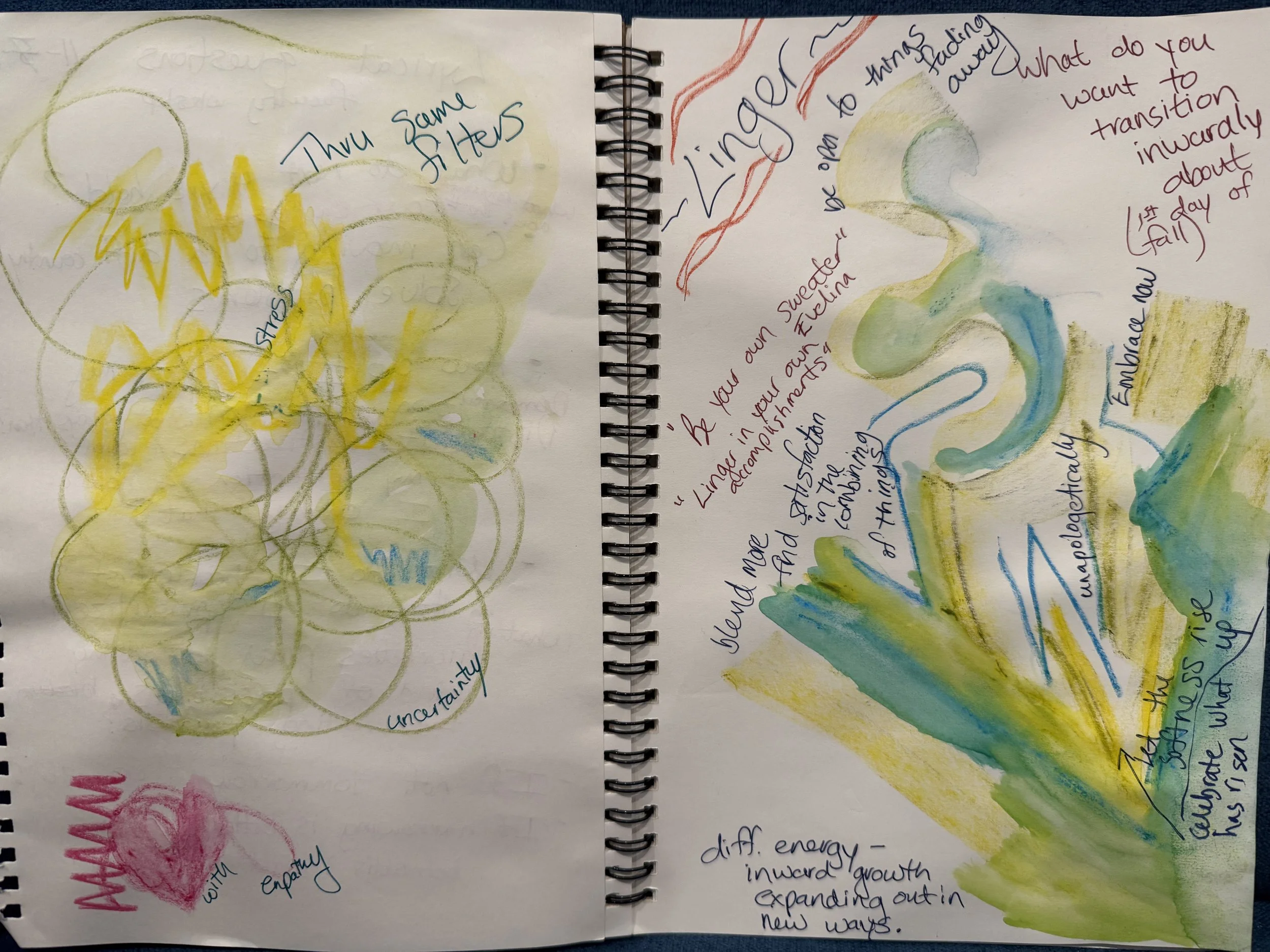
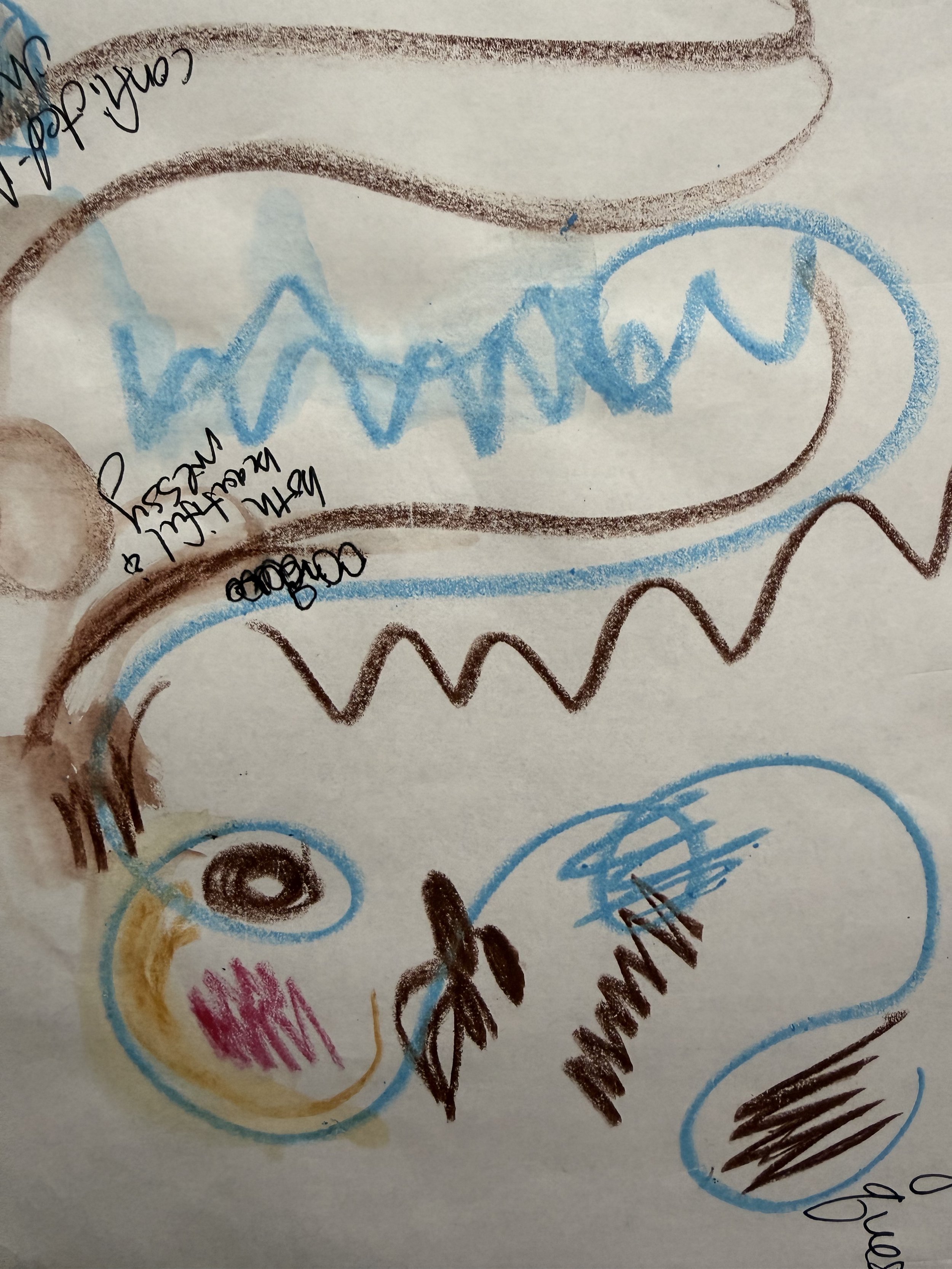
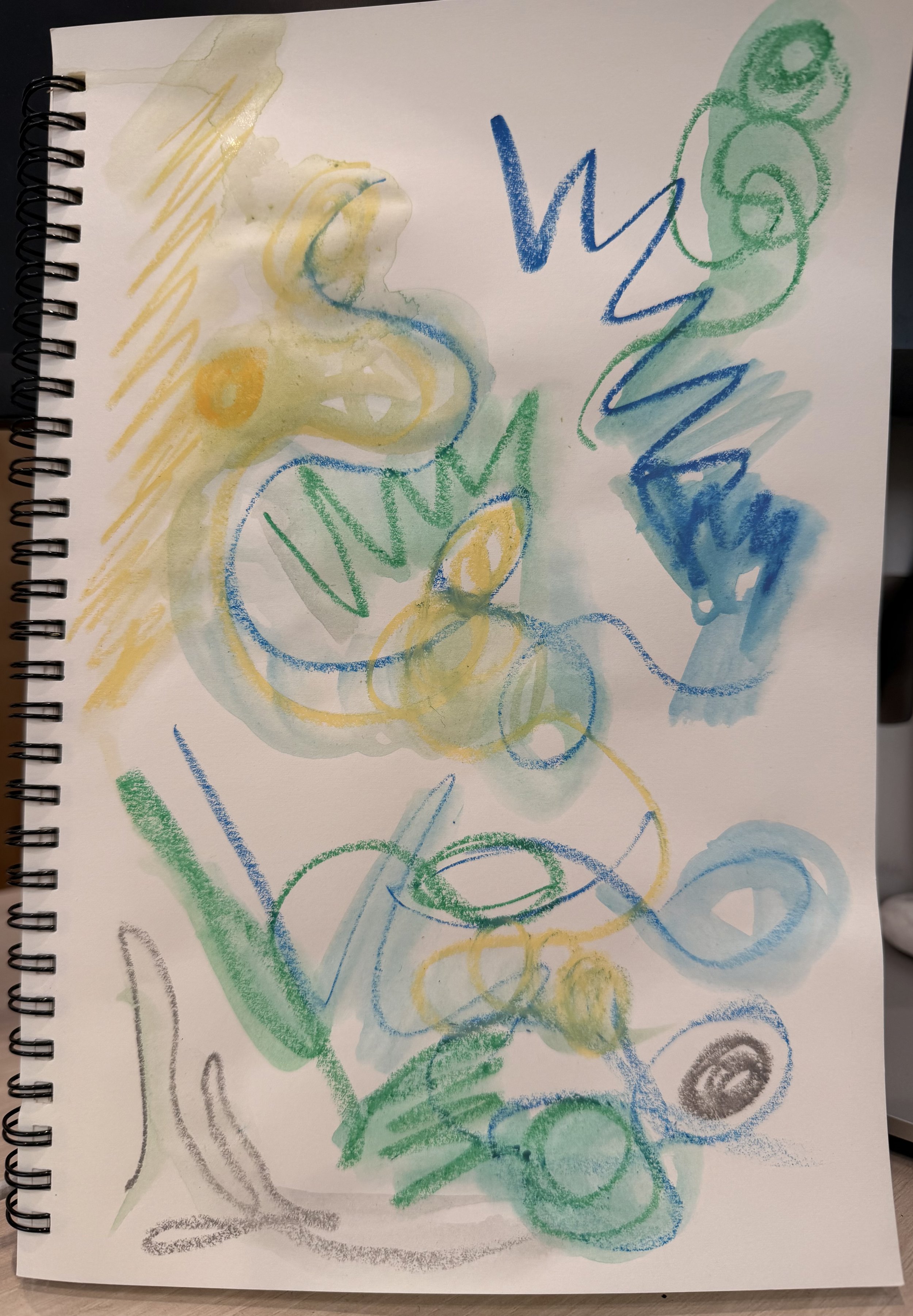
Possibility Books are a method where the creative and imaginative aspects of inquiry take precedence using mark-making, a free-flowing, non-representational, and open-ended process that leads to novel ideas and insights. This kinesthetic reflection enhances Creativity Mindsets (stay curious, remain open, risk failure, navigate ambiguity, make unexpected connections, explore possibilities), which support cognitive monitoring (e.g., self-regulation) resulting in the conscious recognition of new connections across existing knowledge. This approach intentionally moves participants between familiar and unfamiliar spaces, deepening the interplay between insight and intuition.
Our research on the use of mark-making to prioritize embodied learning shows that using Possibility Books to practice Creativity Mindsets develops Creative Critical Inquiry. The study employed a sequential, phenomenological mixed-methods approach to provide a nuanced understanding of the participants’ experience using Possibility Books. Participants were faculty (N = 59, instructed on Possibility Books) and undergraduate students (N = 494) who completed a post-experience questionnaire (Cronbach's α = .861 on scaled items). Qualitative coding revealed consistent patterns that support embodied-first pedagogical sequencing, Creativity Mindset practice, and the co-creation of knowledge. Participants consistently described insights that "surprised" them, suggesting that mark-making accessed embodied understandings which are often less explored through traditional education logic-first approaches.
Principal component analysis revealed two distinct but positively correlated factors (r = .403, p < .001) that align with theories supporting Creative Critical Inquiry. The Cognitive Monitoring Factor (α = .882) encompasses safe spaces for thinking, visual learning enhancement, life connections, problem-solving integration, stress reduction, and community building. The Creativity Mindsets Factor (α = .709) captures uncertainty tolerance, creative self-concept, curiosity, the risk of idea sharing, and openness. Results confirm that the use of Possibility Books with mark-making creates learning environments across disciplines that honor embodied knowledge and collective thinking, which strengthens the interplay between insight and intuition.
A few resources:
Armengol-Urpi, A., Salazar-Gomez, A.F., Sinha, P., & Sarma, S.E. (2026). Cognitive reinforcement: capturing tacit knowledge and enhancing expertise with a biofeedback interface for visual attention. Journal of Neural Engineering, 23(2).https://doi.org/10.1088/1741-2552/ae3eb8
Denton, A. (2018). The Use of a Reflective Learning Journal in an Introductory Statistics Course. Psychology Learning & Teaching, 17(1), 84–93. https://doi.org/10.1177/1475725717728676
Doyle, C. (2024). Creative Experience—Multiple Worlds, Projects, Emotions, and Endpoints: On Glaveanu & Beghetto’s Definition of Creativity. Creativity Research Journal, 36(2), 213–218. https://doi.org/10.1080/10400419.2022.2115643
Kortegast, C., McCann, K., Branch, K., Latz, A.O., Kelly, B.T., & Linder, C. (2019). Enhancing ways of knowing: The case for utilizing participant-generated visual methods. TheReview of Higher Education, 42(2), 485–510. https://dx.doi.org/10.1353/rhe.2019.0004
Green, K. L. (2020). Radical imagination and “otherwise possibilities” in qualitative research. International Journal of Qualitative Studies in Education, 33(1), 115–127. https://doi.org/10.1080/09518398.2019.1678781
Jean-Berluche D. Creative expression and mental health. Journal of Creativity. 2024 Aug 1;34(2):100083. https://doi.org/10.1016/j.yjoc.2024.100083
McPartland TJ. Education and the Process of Inquiry: Community, Creativity, and Critical Thinking. Method: Journal of Lonergan Studies. 2020 Apr 1;11(1):37-57. https://doi.org/10.5840/method20201114
Moate, J., Hulse, B., Jahnke, H., & Owens, A. (2019). Exploring the Material Mediation of Dialogic Space—A Qualitative Analysis of Professional Learning in Initial Teacher Education based on Reflective Sketchbooks. Thinking Skills and Creativity, 31, 167–178. https://doi.org/10.1016/j.tsc.2018.12.003
Qualley, D. J., & Chiseri-Strater, E. (1994). Collaboration as Reflexive Dialogue: A Knowing “Deeper Than Reason.” Journal of Advanced Composition, 14(1), 111–130. https://www.jstor.org/stable/1176273?seq=1